We help faculty and staff navigate the process of undergraduate course and curricular development and approval at NC State. Explore this site to learn about best practices and requirements and to find useful resources to help you get started!Looking for plan requirements or GEP classes?
Back in the days before Li Marcus and Lexi Hergeth arrived at the Office of Undergraduate Courses, Curricula, and Academic Standards, clear guidance on what could or could not be…
Ungrading Background “Ungrading,” “non-traditional grading,” “contract grading,” and “specifications grading,” are all terms stemming from a trend appearing in education during the last few decades. Since the publication of Education…
Ever had troubles with Course Inventory Management? Ever planning to work with CIM? New to campus? Lexi is here to help! OUCCAS, the Office of Undergraduate Courses, Curricula, and Academic…
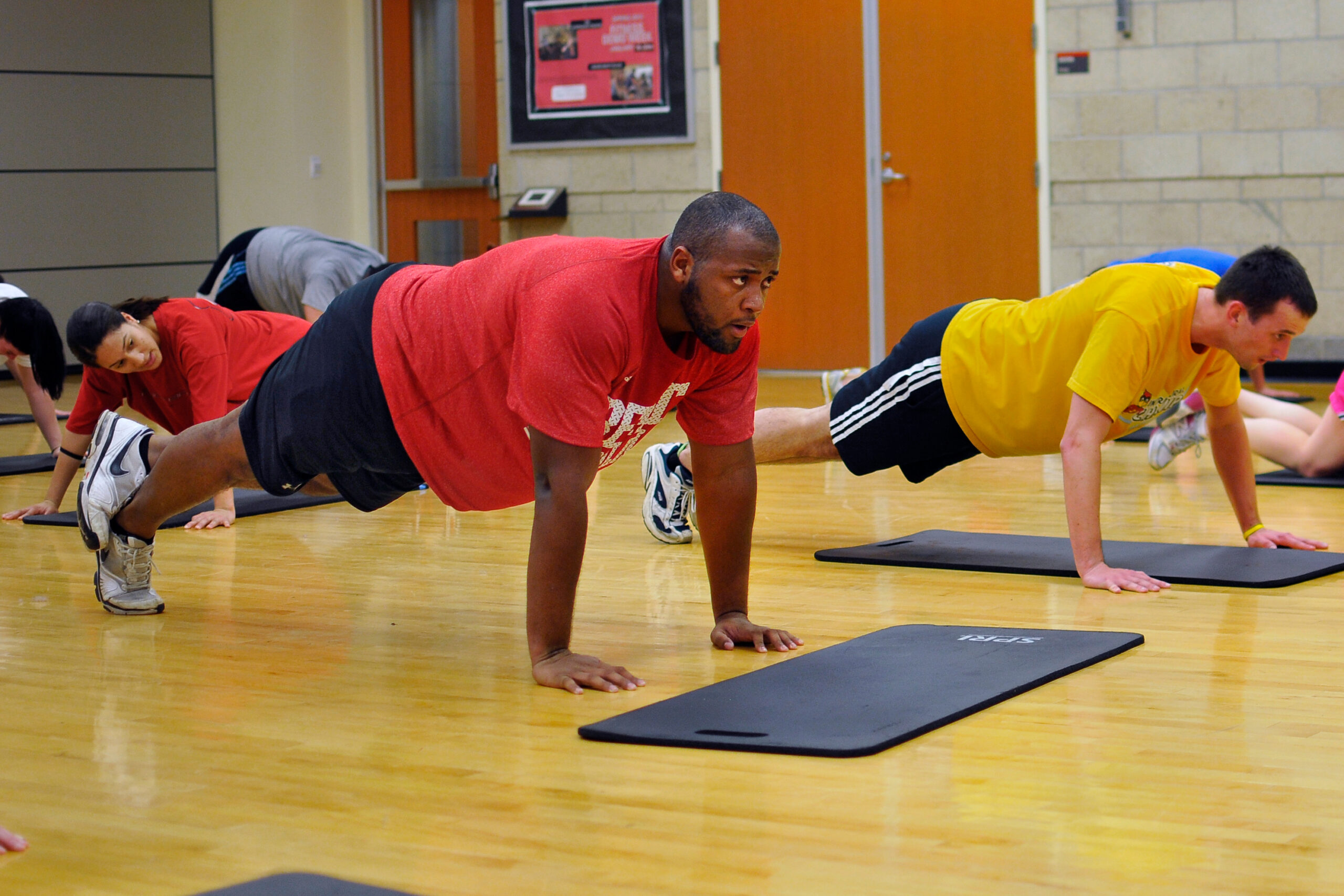
Have you ever wanted to become a dead bug? It’s more fun than you think, and so much less painful than doing crunches! HESF 113, High-Intensity Conditioning, uses creative techniques to help students learn to love lifelong wellness.
Read more
Friday10:00 AM
Friday1:00 PM